
Why Get a Roof Inspection in Binghamton, NY?
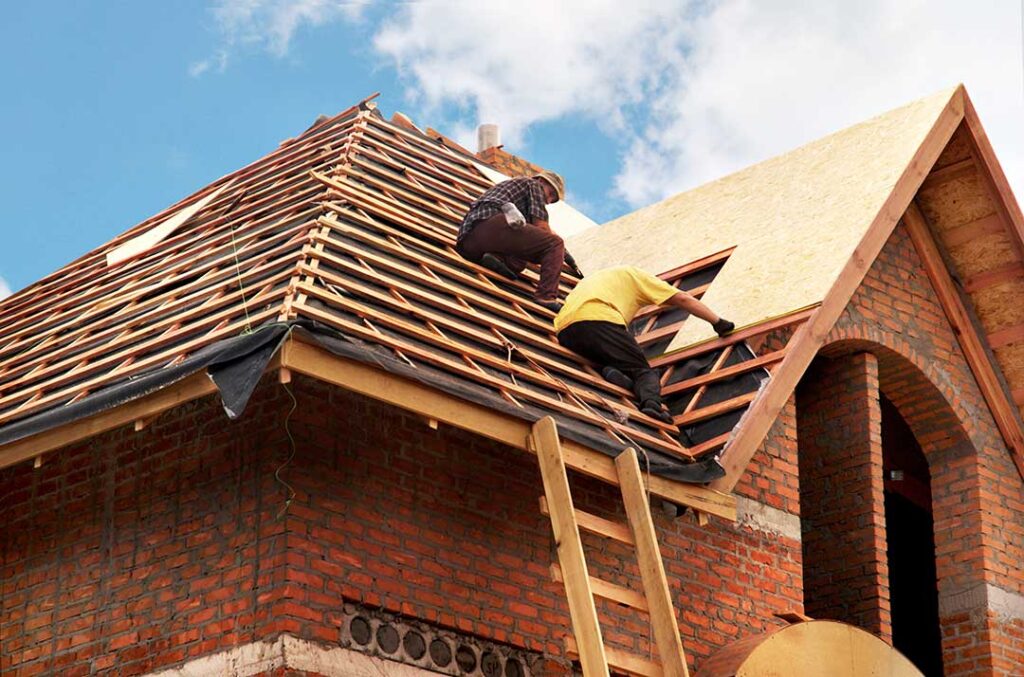
A roof inspection provides a thorough evaluation of your home’s first defense against the region’s weather. With Binghamton’s mix of snow, rain, ice, and seasonal wind, regular roof inspections help locals stay ahead of leaks, storm damage, and long-term wear.
Roof inspections are not just for old homes or after major storms—routine checks are practical for any home, particularly before buying or selling property, after heavy winter storms, or if visible signs of roof wear appear. Inspections are typically visual, non-invasive, and designed to catch small problems before they result in larger, costlier repairs.
What Does a Roof Inspector Look For?
A roof inspector assesses both the overall structure and detailed components, checking everything visible and safely accessible.
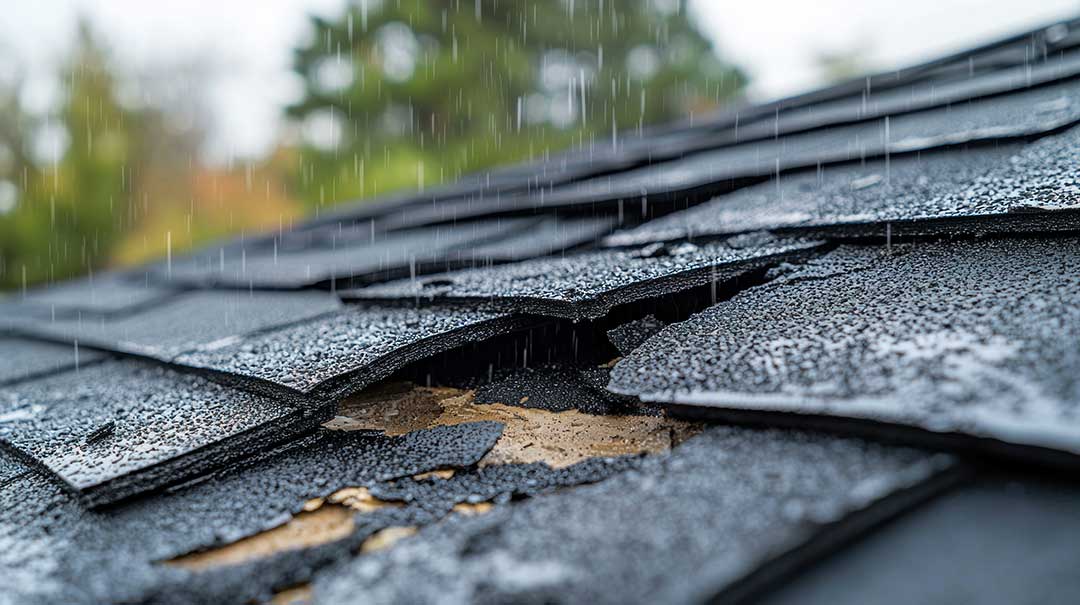
- Shingles or roofing material for cracks, curling, or missing pieces
- Flashing and sealant around chimneys, skylights, and vents for gaps or deterioration
- Gutters, downspouts, and drainage for blockages, rust, or damage
- Signs of water intrusion on the roof itself and inside the attic, if accessible
- Moss, algae, or lichen growth that commonly appears in shaded, moist areas, especially in Binghamton’s humid months
- Evidence of ice dams or snow load damage from winter months
- Sagging roof lines or soft spots that suggest structural issues
The inspector works from the ground, the roof surface, and sometimes from within the attic, depending on the conditions and roof type.
Will the Inspector Go Inside the Attic?
If safe and accessible, an inspector will check inside the attic for hidden concerns. In Binghamton, this matters because freeze-thaw cycles and moisture can affect the attic’s insulation, ventilation, and structure.
Inside the attic, the inspector looks for:
- Wet or moldy insulation
- Water stains or dark spots on the underside of roof decking or rafters
- Signs of daylight peeking through gaps
- Proper airflow and ventilation to prevent excessive heat or moisture buildup
If the attic is finished, access may be limited, but clues about leaks or condensation can sometimes be found along ceilings or in closets on upper floors.
Do Roof Inspections Require Special Tools?
Most inspections rely on visual examination and experience, but some tools help spot overlooked issues:
- Moisture meters to detect dampness inside roofing materials
- Infrared cameras for temperature variations indicating leaks or poor insulation
- Binoculars for hard-to-reach peaks on multi-story homes
- Drones or pole cameras may occasionally be used for steep, slippery, or physically inaccessible roofs
However, the majority of roofs in the area—typically pitched asphalt shingle roofs—can be checked with straightforward, hands-on methods, especially when weather allows safe access.
What About Local Building Codes and Safety Practices?
Roof inspectors in Binghamton are attentive to area codes, zoning regulations, and common construction practices that may affect your roof’s performance.
Examples include:
- Following local code for minimum and maximum layers of roofing material
- Respecting required clearances near shared property lines or multi-family units
- Checking for compliance with ice shield or ventilation standards in response to the city’s severe winter conditions
Proper safety measures—such as using harnesses, respecting weather warnings, and avoiding walking on fragile or icy roofs—are standard. Homeowners are not expected to accompany inspectors onto the roof.
Common Misconceptions About Roof Inspections
Some residents assume that a roof inspection will automatically result in repair recommendations or an “all clear”—but inspections are based on current conditions, not future guarantees. An inspection might find minor issues that don’t require urgent action but should be monitored, especially after Binghamton’s harsher weather seasons.
Another misconception is that only old roofs need inspecting. Even newer roofs can develop problems due to installation errors, storm impacts, or manufacturing defects.
How Long Does a Roof Inspection Take?
A typical single-family roof inspection in the community takes 30 minutes to an hour. Larger properties, steep pitches, or complex designs may require more time. Inspections are generally rescheduled if rain, snow, or ice create unsafe conditions, as walking on a slippery roof is hazardous.
What Does a Roof Inspection Report Include?
After the inspection, homeowners receive a report summarizing findings and, if applicable, photos documenting any problem areas. The report may outline:
- Visible roof condition with specific areas of concern
- Noted moisture or structural issues
- Recommendations for monitoring, further diagnostics, or repairs
Reports do not generally contain repair quotes or opinions on cost unless requested as part of a real estate transaction or insurance claim. The documentation provides a record useful for tracking roof health over time, especially in Binghamton’s variable climate.
Can You Do a Roof Inspection Yourself?
It’s possible to perform a basic visual check from the ground—looking for missing shingles, clogged gutters, or moss growth. However, assessing the roof’s full condition, especially after significant weather or if leaks are suspected, usually requires expertise and safe access.
Climbing onto a roof always carries risks. Safety should come first, particularly during or after icy winters when surfaces may remain slippery well into spring.
What Happens Next?
If an inspection identifies issues, advice might include monitoring the area for changes, performing maintenance like clearing debris, or seeking specialist input for structural or major repair needs. Routine inspections help local households manage small roofing issues before they turn into bigger headaches, especially given the area’s seasonal extremes.
