

What should homeowners consider before choosing a roof color?
The right roof color should work with the home’s exterior, local weather, surrounding landscape, and long-term maintenance needs. For homes in Binghamton, NY, seasonal changes, snow cover, shaded lots, and older neighborhood architecture can all affect how a roof color looks over time.
A roof is a large visual feature. Its color can influence how large or compact a home appears, how well it fits with siding and masonry, and whether future exterior updates will be easy or difficult to coordinate.
Before focusing on a favorite color, examine the following:
- Existing siding, brick, stone, trim, shutters, doors, and foundation materials
- The home’s architectural style and age
- The amount of shade surrounding the roof
- Snow, leaf debris, algae, and weather exposure
- Whether the roof color must comply with neighborhood or housing association rules
- How long the color is likely to remain suitable if other exterior materials change
A roof color that looks attractive on a small sample may appear very different across an entire roof plane. Viewing samples outdoors at different times of day is more reliable than choosing from an indoor display.
Which roof colors work well with common home exteriors?
Dark gray, medium gray, brown, and blended earth tones are among the most adaptable choices because they coordinate with many siding and masonry colors. The best match depends on the undertones in the rest of the exterior.
Gray siding and neutral exteriors
Gray roofing can create a coordinated appearance with gray siding, but the shades should not be identical unless the goal is a very uniform look. A roof with subtle charcoal, black, or brown variation may provide more depth.
Cool gray siding generally pairs well with:
- Charcoal
- Slate gray
- Black with gray variation
- Blue-gray blends
Warm gray siding may work better with:
- Brown-gray blends
- Weathered wood tones
- Soft black
- Neutral medium gray
White, cream, or light-colored siding
Dark roofs often provide useful contrast against white or cream siding. Black, charcoal, dark brown, and deep gray can make a light exterior appear more defined.
For a softer appearance, medium gray or weathered brown may be more suitable than a near-black roof. Homes with bright white trim may also benefit from a roof color that has gray variation rather than a completely solid dark tone.
Beige, tan, or brown siding
Brown and tan exteriors usually coordinate naturally with warm roof colors. Medium brown, dark brown, weathered wood, and brown-gray blends are common options.
A roof that is too similar to tan siding can make the exterior look flat. A darker or more varied color often creates better separation between the roof and walls.
Brick and stone
Brick and stone contain several colors, even when they appear mostly red, gray, or brown from a distance. The roof does not need to match every color in the masonry. Instead, identify the dominant undertone.
Red or rust-colored brick may pair with:
- Brown
- Charcoal
- Dark gray
- Black
- Weathered wood blends
Gray stone often works with:
- Gray
- Black
- Brown-gray
- Muted green-gray
A roof sample should be compared directly with the actual brick or stone in both sunlight and overcast conditions.
Does roof color affect the temperature of a home?
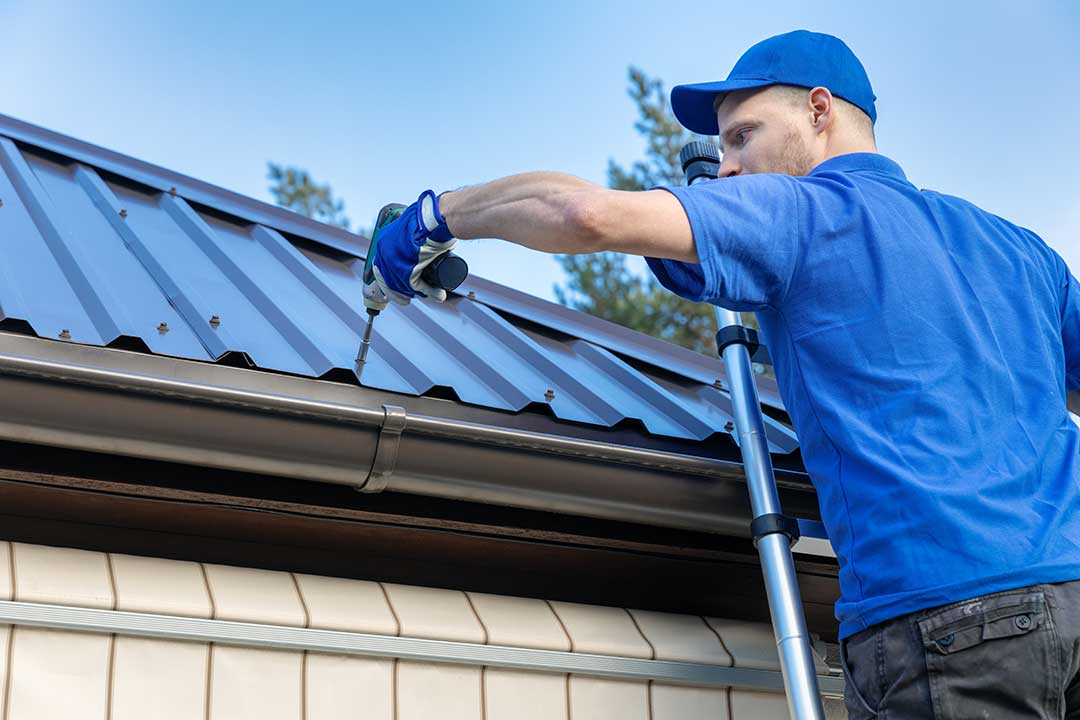
Roof color can influence how much solar heat the roof surface absorbs, but insulation, ventilation, roof pitch, air sealing, and attic construction usually have a greater effect on indoor comfort.
Dark roofing generally absorbs more sunlight than light roofing. In a warmer climate, that difference may be more noticeable. In Binghamton, however, roof color alone should not be treated as a major heating or cooling strategy. Winter snow, cloud cover, roof orientation, and the home’s energy efficiency all affect real-world performance.
A lighter roof may reflect more sunlight during summer, while a darker roof may help melt light snow or frost somewhat faster in direct sun. Neither color eliminates the need for proper attic ventilation, adequate insulation, or safe snow management.
Is a dark roof a poor choice for snowy weather?
A dark roof is not automatically unsuitable for a snowy climate. Dark surfaces can absorb more sunlight and may warm faster during sunny conditions, but snow does not melt evenly simply because the roof is dark.
Snow melt depends on:
- Air temperature
- Sun exposure
- Roof direction
- Roof pitch
- Insulation levels
- Attic heat loss
- Wind
- The depth and condition of the snow
Uneven melting can contribute to ice formation near roof edges, especially when warm areas of the roof meet colder eaves. This is primarily a design, insulation, ventilation, and weather-management issue rather than a reason to choose one color exclusively.
A roof color should not be selected as a substitute for addressing attic heat loss or ice-related drainage problems.
How do shade and tree cover change the appearance of a roof?
A roof viewed beneath mature trees may look darker and less varied than the same roof in direct sunlight. Heavy shade can also make brown, green, or gray undertones more noticeable.
Homes on wooded or shaded lots may benefit from a color with moderate variation rather than a very flat, solid tone. Multi-tone roofing can help disguise minor visual changes caused by leaves, shadows, and seasonal debris.
Tree cover also affects maintenance. Leaves and organic debris can remain damp longer in shaded areas, making surface discoloration more noticeable. A roof color with blended variation may conceal some temporary staining, but color does not prevent moss, algae, or debris accumulation.
Should homeowners choose a roof color based on resale value?
A neutral roof color is usually the safest choice when future resale flexibility matters. Gray, charcoal, brown, and weathered wood tones tend to coordinate with a wider range of exterior colors than highly distinctive choices.
That does not mean a bold color is always a poor decision. A strong architectural style or historically appropriate exterior may support a more specific color. The key consideration is whether the roof works with the entire structure rather than reflecting a short-term trend.
Because roofing can last for decades, homeowners should consider how the color will look if siding, trim, doors, or landscaping changes later.
Do local rules affect roof color?
Some neighborhoods, planned communities, and housing associations may have standards for roofing materials or visible exterior changes. Historic properties may also be subject to design requirements, depending on their designation and governing rules.
Before finalizing a color, check any applicable property documents or local requirements. This is especially useful when the home is part of a closely planned development or has special architectural protections.
Most homeowners do not need to match nearby roofs exactly. Neighboring homes can provide useful context, but the roof should still be evaluated against the individual property’s siding, trim, lot conditions, and architectural character.
What is the most practical way to compare roof colors?
Compare full-size samples outside, not only small indoor swatches. Place samples near the siding, trim, brick, and foundation, and inspect them in morning light, afternoon light, shade, and cloudy conditions.
Look at the color from the street as well as close to the house. A roof may appear highly varied up close but read as a single overall tone from a distance.
It also helps to separate color preference from roof condition. If the existing roof has curling, missing, or damaged shingles, discoloration may be caused by age or moisture rather than an unsuitable color. Color can improve appearance, but it does not correct drainage, ventilation, installation, or structural problems.
For many local homes, the most reliable choice is a roof color that complements the exterior’s undertones, remains visually appropriate through changing seasons, and does not make future exterior updates unnecessarily difficult.
