
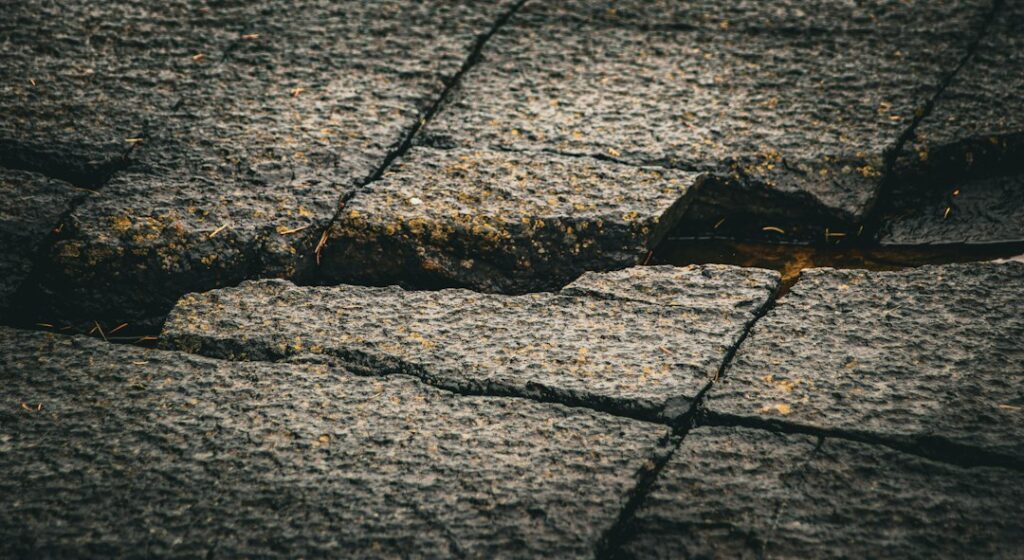
Sun exposure is a normal part of a roof’s life, but years of ultraviolet light, heat, and repeated temperature changes can gradually weaken roofing materials. In Binghamton, NY, the effect is especially noticeable because sunny summer days are followed by cold winters, snow, ice, and frequent seasonal swings.
A roof does not need to look severely damaged before sunlight has begun affecting it. Understanding the early signs can help residents distinguish ordinary aging from problems that may allow water into the home.
How does sunlight damage roofing materials?
Sunlight affects a roof mainly through ultraviolet radiation and heat. Ultraviolet radiation can break down the chemical compounds that help roofing materials remain flexible and water-resistant. Heat causes materials to expand, while cooler nighttime temperatures make them contract.
This cycle may occur repeatedly during the warmer months. Over time, it can contribute to:
- Fading or uneven color
- Loss of surface granules
- Dry, brittle, or cracked shingles
- Curling or raised edges
- Shrinking or splitting in some membrane materials
- Faster deterioration around exposed flashing and sealants
As asphalt shingles age, their protective surface granules can loosen. These granules help shield the asphalt from sunlight and provide additional resistance to weather. Once the surface becomes thinner, the underlying material is more vulnerable to further damage.
Which parts of a roof receive the most sun?
Roof sections facing the strongest and most consistent sunlight usually age faster than shaded sections. The difference may be visible on a single roof, especially when one slope receives direct sun for much of the day while another is partly shaded by trees or nearby structures.
South-facing roof areas often receive substantial sunlight, but exposure varies with roof angle, surrounding buildings, tree cover, and seasonal sun position. Lower-pitched sections may also remain warm for longer periods because they do not shed heat as quickly.
Roof edges, ridges, dormers, and areas around chimneys can show uneven aging because their angles and airflow differ from the main roof surface. A roof should therefore be assessed as a group of different exposure zones rather than as one uniform surface.
Does heat make a roof deteriorate faster?
Heat can speed up the aging process, particularly when it combines with ultraviolet exposure. Dark roofing surfaces absorb solar energy and may become much warmer than the surrounding air. Repeated heating and cooling can place stress on shingles, underlayment, flashing, and sealants.
High roof temperatures can also affect attic conditions. If an attic has insufficient insulation or ventilation, heat may remain trapped beneath the roof deck. This does not mean ventilation should be changed casually. Poorly designed or blocked ventilation can create its own problems, including moisture accumulation and uneven roof temperatures.
In older homes, attic insulation and airflow may not match modern building practices. A roof that appears worn on the outside may also be affected by heat and moisture conditions below the roof covering.
What signs suggest sun-related roof damage?
Sun exposure often produces gradual changes rather than one dramatic failure. Residents may notice:
- Shingles that are lighter, darker, or more unevenly colored than before
- Small bald patches where surface granules have worn away
- Cracks along shingle surfaces or tabs
- Edges that curl upward or become wavy
- Brittle shingles that break when disturbed
- Exposed nail heads or dried sealant around roof penetrations
- Roofing material that appears noticeably different on sunny and shaded slopes

Some color change is cosmetic and does not immediately indicate a leak. However, cracking, missing granules, curling, or exposed underlying layers can reduce the roof’s ability to shed water.
Granules found in gutters are another commonly misunderstood sign. A small amount may be normal as shingles age, but a sudden increase, especially after strong weather, may indicate surface deterioration.
How does Binghamton’s seasonal weather affect sun damage?
Sun exposure does not act alone. In Binghamton, the roof also experiences winter cold, snow, ice, spring rain, summer humidity, and freeze-thaw cycles. These conditions can compound damage that began with ultraviolet exposure.
For example, a shingle weakened by years of sunlight may become more likely to crack during cold weather. Water entering a small opening can freeze and expand, making the opening larger. Snow and ice may then place additional weight on already weakened areas.
Temperature swings can also affect flashing and sealants. Materials expand and contract at different rates, and joints around chimneys, vents, skylights, and roof edges may gradually lose flexibility.
The result is often a combined aging pattern rather than damage caused by one weather factor alone.
Are shaded roofs protected from sun damage?
Shade reduces direct sunlight, but it does not eliminate roof maintenance concerns. Trees and nearby structures can limit ultraviolet exposure while increasing moisture retention, debris accumulation, and moss growth.
Leaves and branches may remain on shaded sections longer after rain or snowfall. Damp conditions can make surfaces more vulnerable to biological growth and can slow drying. Branches may also rub against roofing materials during wind.
A roof with both sunny and shaded slopes may develop different problems in different areas. The sunny side may show granule loss and brittleness, while the shaded side may have debris, moss, or moisture-related wear.
Can roof coatings or reflective materials reduce sun damage?
Reflective roofing materials and properly selected coatings can reduce heat absorption on some roof types. They may be useful in certain building designs, but they are not a universal solution for an existing residential roof.
A coating must be compatible with the roofing material, properly applied, and maintained over time. Applying an unsuitable product can trap moisture, interfere with repairs, or hide underlying deterioration. Reflective surfaces may also offer less benefit where winter heating demands, roof pitch, or surrounding shade already limit solar gain.
For most homes, the more fundamental questions are the roof’s age, material condition, ventilation, insulation, drainage, and exposure pattern.
How often should a roof be checked for sun-related wear?
A visual roof and attic check is especially useful in spring and after severe weather. Residents should look from the ground for missing or curled shingles, uneven patches, exposed flashing, and excessive granules in gutters. Attic areas can be checked for daylight through the roof deck, damp insulation, staining, or musty odors.
Walking on a roof can damage aging shingles and creates a fall risk. Steep roofs, wet surfaces, loose materials, and areas near electrical equipment should not be approached casually. If a roof has visible structural damage, active leaking, sagging, or unsafe access conditions, a qualified roofing or building professional may be necessary for safe evaluation.
Sun-related wear is usually easier to manage when identified before water damage reaches roof decking, insulation, ceilings, or walls. Regular observation helps residents understand how each roof section is aging and whether changes are cosmetic, weather-related, or signs of a developing leak.
