
What Are Safe Methods to Clean Your Roof?
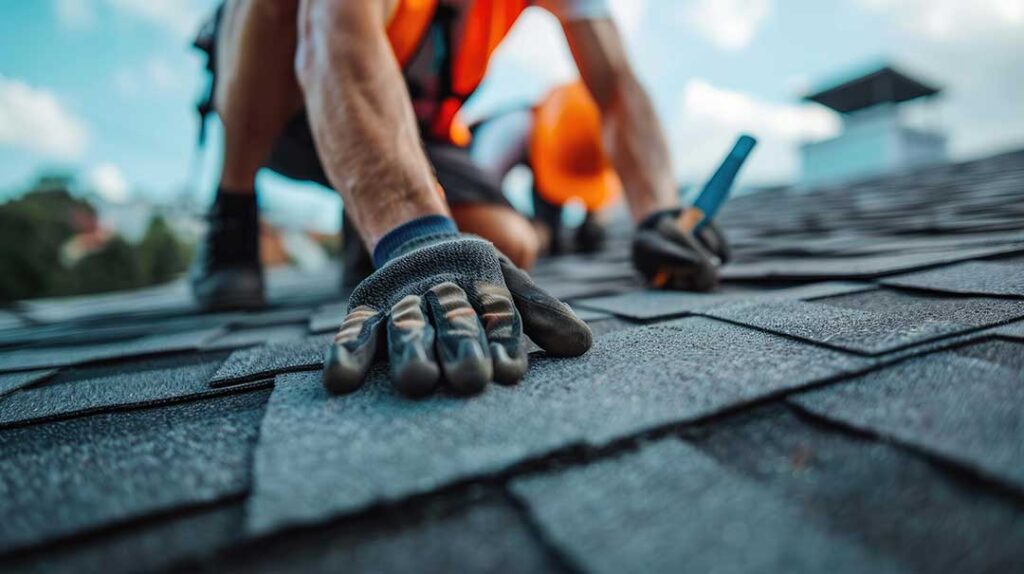
Cleaning a roof safely means protecting both your home and yourself from unnecessary harm. For the steep pitched roofs and diverse roofing materials common in Binghamton, the safest cleaning methods usually involve gentle, non-abrasive approaches that avoid harsh chemicals. Basic debris removal with a soft-bristle broom, leaf blower, or gentle spray from a garden hose is preferred for most households.
High-pressure washing is not recommended for asphalt shingles and can cause premature wear. Similarly, bleach and other strong chemicals may harm vegetation, corrode gutters, or void certain roofing warranties. Soft washing—using low-pressure water mixed with mild, diluted cleaning solutions—is suitable for tackling moss, algae, or lichen if mechanical removal isn't possible. Always check your specific roofing material guidelines, as cleaning needs can vary.
Why Does Roof Cleaning Matter in Binghamton, NY’s Climate?
The roof cleaning needs in Binghamton are shaped by the local climate. Warm, humid summers encourage moss and algae growth, while heavy snow in winter leads to debris accumulation and increased moisture retention. Removing organic materials (like leaves, moss, and branches) helps prevent moisture buildup, which can cause shingles to deteriorate faster and increase the risk of leaks.
In addition, periodic cleaning reduces the chances of clogged gutters and downspouts—an issue that can lead to ice dams, which are a known winter hazard for area households. Clean roofs also maintain curb appeal and can help roofs last longer, making upkeep especially valuable for homeowners in this climate.
What Equipment Do You Need for Safe Roof Cleaning?
For most single-family homes, safe cleaning can be achieved with a few basic items:
- Sturdy ladder—tall enough to reach the eaves without overreaching
- Non-slip shoes or boots, especially given frequent wet conditions
- Safety harness (particularly for roofs with steeper pitches)
- Soft-bristle brush, leaf blower, or garden hose with a spray nozzle
- Biodegradable, roof-safe cleaning solution if removing moss or algae
- Protective gloves and safety glasses
Homeowners often overlook safety gear, but it’s crucial for reducing injury risk—especially given Binghamton’s sometimes slippery rooftops after rain or during pollen-heavy months. Always avoid cleaning during or after rain, when surfaces are slickest.
How Should You Remove Moss, Algae, or Stains From Your Roof?
Start with manual removal using a soft brush—never metal scrapers—to gently loosen moss or lichen. Work downward, following the shingle slope to reduce risk of damage. Rinse gently with a garden hose; avoid using a pressure washer unless your roofing manufacturer specifically endorses it.
For persistent biological growth or dark streaks, a diluted solution of water and oxygen-based cleaner works well. For example, a mixture of one part oxygen bleach to three parts water can treat patches of algae and moss. Apply the cleaner, let it sit for about 15-20 minutes, then gently rinse away. Take care to protect any landscaping below by covering shrubs and dousing plants with clean water before and after application.
Common misconceptions include using household bleach or strong chemicals, which may seem effective but cause collateral damage to gutters and landscaping, and can also degrade shingle granules, especially on older roofs.
When Is Professional Help Necessary?
Situations that call for professional intervention typically include roofs that are:
- Particularly steep or high
- Showing widespread structural damage
- Constructed from fragile or specialty materials (like slate or clay)
- Contaminated by hazardous substances, such as mold or animal droppings
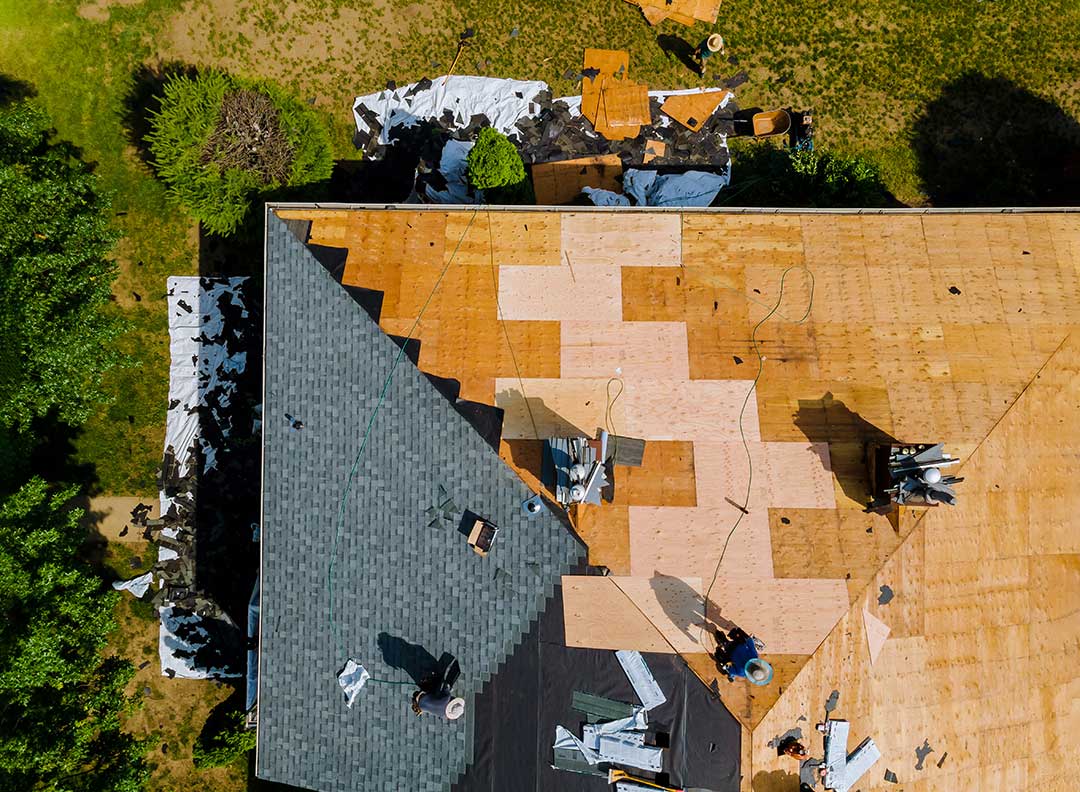
If you’re unsure about the stability of your roof or feel uncomfortable working at heights, staying on the ground is safer. Certain roofing maintenance tasks do have local safety guidelines and state labor codes, so check public resources for best practices.
How Can You Prepare for Roof Cleaning?
Before beginning, take the following steps:
1. Inspect the roof visually from the ground for damaged or loose shingles.
2. Clear the area around your home by moving cars, furniture, and covering landscaping to protect against falling debris or cleaner runoff.
3. Place your ladder securely in a stable, level position—avoid soft or soggy ground, which is common after Binghamton spring storms.
4. Notify household members or neighbors to be aware of activity overhead.
Gather all needed supplies before ascending the ladder to minimize trips up and down, reducing risk of missteps or accidents.
What Are Common Mistakes to Avoid?
Residents sometimes use power washers or stiff wire brushes out of convenience, but these methods can erode shingle surfaces or force water under roofing materials, leading to leaks. Increasing water pressure does not improve results and often shortens roof life.
Another widespread error is neglecting safety protocols: working alone, on wet surfaces, or during high winds increases injury risk. Wearing improper footwear, such as sneakers with little grip, can cause slips, especially during Binghamton’s damp spring and fall seasons. Lastly, skipping regular gutter cleaning can undo the benefits of roof washing by causing water to back up under roofing edges.
How Often Should Roofs Be Cleaned Locally?
For most homes in Binghamton, annual or biannual roof cleaning is usually enough. Heavy tree cover or persistent moss growth may require spot cleaning in early summer and again in autumn. Structures shaded by large maples or oaks—common in area neighborhoods—often see more organic debris and require more frequent care.
After significant weather events, inspect your roof for new debris, even if it’s not your scheduled cleaning time. Being proactive can prevent small issues from becoming costly repairs.
