
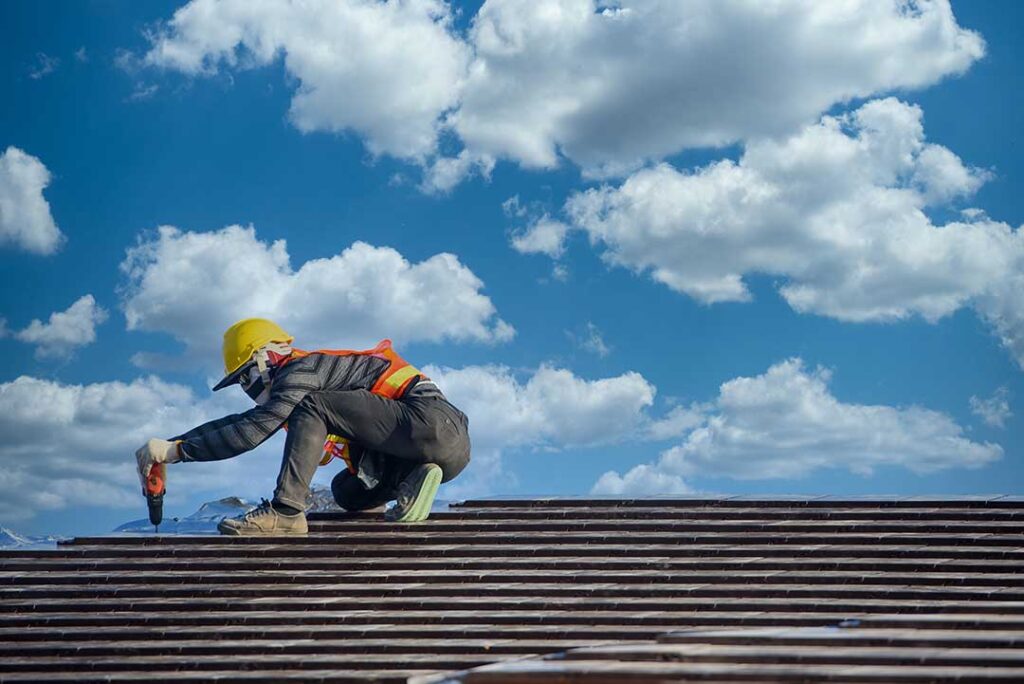
What Are the Typical Signs That a Roof Needs Replacement?
Many Binghamton, NY homeowners wonder how to distinguish between a roof that needs repairs and one that truly requires replacement. Common indicators include persistent leaks, widespread shingle damage, sagging, and significant loss of protective granules. In this area’s climate, with cold winters and variable precipitation, issues can develop quickly if not addressed.
Visible problems often include:
- Missing, curling, or cracked shingles across multiple sections
- Dark streaks or moss, which can signal trapped moisture
- Noticeable sag in the roof deck or ridgeline
- Water stains on ceilings or attic woodwork after rain or melting snow
Small areas may be repaired, but widespread damage usually means the roof’s integrity is compromised beyond simple fixes.
How Long Should a Roof Last in Binghamton?
Most residential roofs in Binghamton, using asphalt shingles (the region’s most common type), have a functional lifespan of 18-25 years under local conditions. This expectation can be shorter for roofs exposed to more extreme freeze-thaw cycles, regular hail, or significant tree debris.
Metal, slate, and composite roofs can last much longer, but they’re less typical in local neighborhoods. Even with longer-lasting materials, poor attic ventilation or ice damming (common in older Binghamton homes) can shorten lifespan substantially.
Does Weather in Binghamton Accelerate Roof Aging?
Roofing in Binghamton faces unique challenges. Freezing winters, rapid thaws, and summer thunderstorms all accelerate wear:
- Ice dams from inadequate attic insulation or ventilation force water under shingles
- Repeated freeze-thaw cycles cause materials to contract and expand, often leading to cracking or warping
- Heavy snow loads stress older roofs, especially if there’s sagging
- Wind-driven rain and hail can loosen, pit, or strip shingles, particularly on roofs over 15 years old
It’s wise for area residents to check roofing after major weather events, as hidden damage can worsen over time.
Are Leaks Always a Sign of Total Roof Failure?
Not every leak means full roof replacement is necessary. For example, a single damp spot near a chimney or vent may be due to failed flashing — a repair, not a full replacement.
However, ongoing leaks in multiple areas, or leaks after each significant rain or snow, usually signal that the roof is reaching the end of its usable life. Over time, water damage can spread to insulation, framing, and even interior walls — making timely action crucial.
What Should Area Households Look for Inside the Home?
Sometimes, early roof failure shows up inside before it's obvious outdoors. Signs worth watching:
- Consistent attic dampness, wood rot, or mold growth
- Sunlight visible through roof boards in the attic
- New drafts or difficulty maintaining heat in the winter
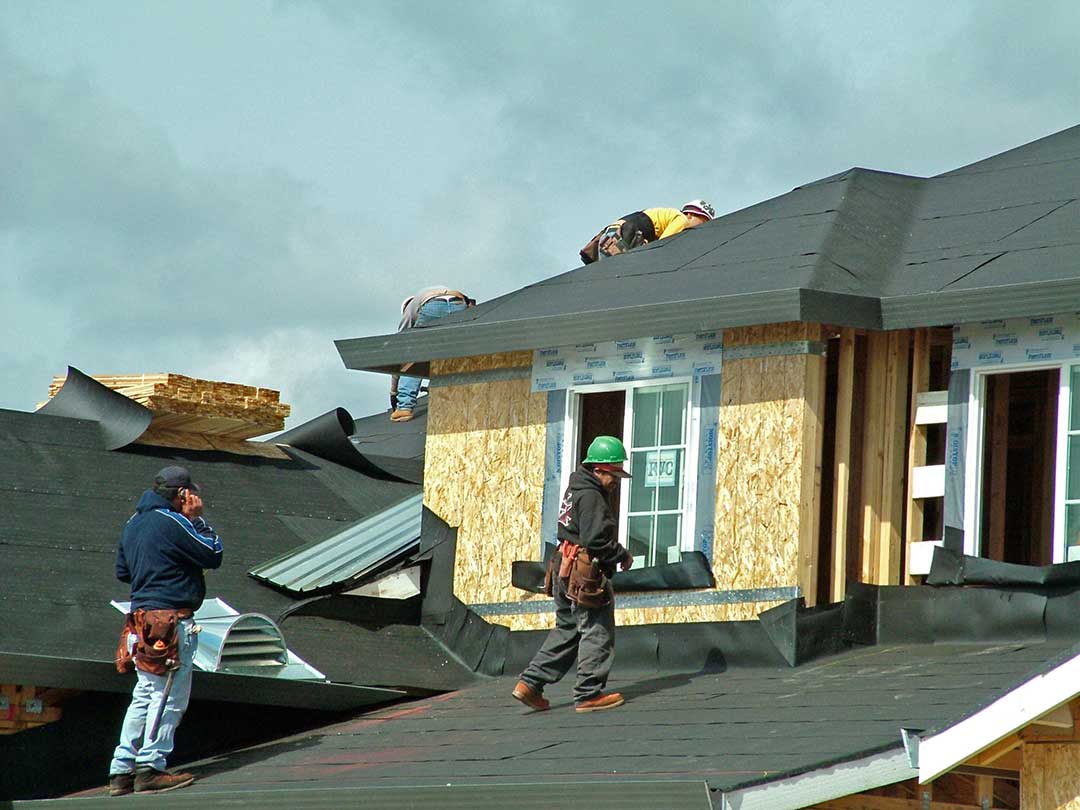
These often indicate that weatherproofing layers have deteriorated, especially on homes with older roofs lacking modern underlayment.
How Do Local Building Codes and Neighborhood Trends Affect Roof Replacement?
Binghamton requires that new roofing work meets certain code standards, especially if more than one layer of shingles is present. For homes in historic districts or with special architectural styles, appearance and material rules may further dictate when replacement — not just repair — is necessary.
In some local neighborhoods, original roofs have now passed 25 or even 30 years of age, meaning widespread replacement is common as houses turn over to new owners.
Are There Factors That Delay the Need for Roof Replacement?
Proper maintenance can often delay costly roof replacements. Area residents who keep gutters clear, trim overhanging branches, and inspect for debris buildup after storms can add years to a roof’s life. Regularly looking for loose or damaged shingles by walking the perimeter (safely from the ground) is helpful too.
Minor spot repairs to flashing, sealant, or a few localized shingles may suffice—at least until a larger section deteriorates.
What Are Common Misconceptions About Roof Lifespans in the Community?
A frequent local myth is that a roof must be replaced as soon as it reaches its 20th year, regardless of condition. However, with good attic ventilation and routine care, many roofs last several years longer if no major issues develop.
Another misconception is that a new roof resolves all moisture problems. However, without addressing attic airflow or insulation shortcomings, issues like mold growth or ice damming may return even after replacement.
When Is Immediate Action Necessary?
Certain situations call for prompt replacement to protect a home and its occupants:
- Noticeable sagging or “soft” sections when walking in the attic
- Recurring widespread leaks, especially if coupled with wood rot or mold
- Evidence of structural damage after a severe weather event (like heavy snow collapse)
In these cases, delaying can lead to higher repair costs and health or safety risks. If unsure whether structural damage is present, a qualified inspector should check conditions before undertaking any major repairs.
