

How Do Tree Limbs Affect Roofs in Binghamton, NY?
Tree limbs can lead to roof damage in several ways, especially given the seasonal weather patterns and dense tree coverage common across neighborhoods in Binghamton, NY. Overhanging branches, even from healthy trees, present risks that homeowners often overlook until after a storm or heavy snowfall exposes the problem.
Falling branches during windstorms or winter ice events are among the most direct hazards. Even smaller limbs brushing against shingles can shorten roof life by dislodging protective granules or breaking seals in asphalt shingles, leading to leaks and increased wear.
What Kind of Roof Damage Can Tree Limbs Cause?
Tree limbs can create both immediate and gradual damage:
- Direct Impact: Larger limbs breaking off during storms can puncture or crack shingles, tiles, or even decking. This kind of damage leaves roofs vulnerable to leaks and water infiltration almost immediately.
- Abrasion: Branches that touch or scrape against roofing materials cause gradual abrasion. Over time, this constant contact can remove shingle granules, expose underlying materials, and contribute to the growth of moss or algae.
- Clogged Gutters and Downspouts: Falling leaves, twigs, and other debris from nearby trees get trapped in gutters. These blockages prevent proper water runoff, which can lead to ice dams in winter or water pooling and backing up beneath shingles.
- Moisture Retention: Dense overhanging branches shade the roof and restrict airflow, which makes it harder for surfaces to dry after rain or snow. This damp environment encourages lichen, moss, and mold growth, causing further damage to shingles and even wood rot underneath.
Are Certain Roof Types or Home Setups More Vulnerable?
Homes set within wooded areas or under older, taller trees typical to Binghamton neighborhoods are more susceptible to tree limb-related damage. Asphalt shingle roofs, the most common in the city, can suffer both impact and abrasion more quickly than some alternatives. In contrast, metal roofing is more resistant to direct impact but still faces risks from falling branches and moisture trapping debris.
Roof slope and gutter setup also play a role. Low-slope roofs or flat roofs under heavy tree cover may see more debris accumulation, while complicated rooflines with many valleys and dormers give organic material more places to settle, slowing water runoff and drying times.
How Do Local Climate and Seasonal Patterns Contribute to the Problem?
Binghamton experiences significant snowfall, ice storms, and wind gusts, particularly in late fall through early spring. Heavy, wet snow can weigh down branches until they snap, especially if ice forms overnight. Spring winds and summer thunderstorms have also been known to bring down limbs suddenly.
Freeze-thaw cycles typical in Binghamton winters add to the risk by stressing already weak limbs. Accumulated snow and ice on branches overhanging roofs can also slide off and damage shingles or gutters, even if the branch itself stays intact.
Local tree varieties—including maples, oaks, and pines—often have heavy or brittle branches that can become hazardous after years of growth close to homes.
What Preventive Steps Can Residents Take?
Residents can reduce risks from tree limbs with a mix of proactive inspection and simple maintenance:
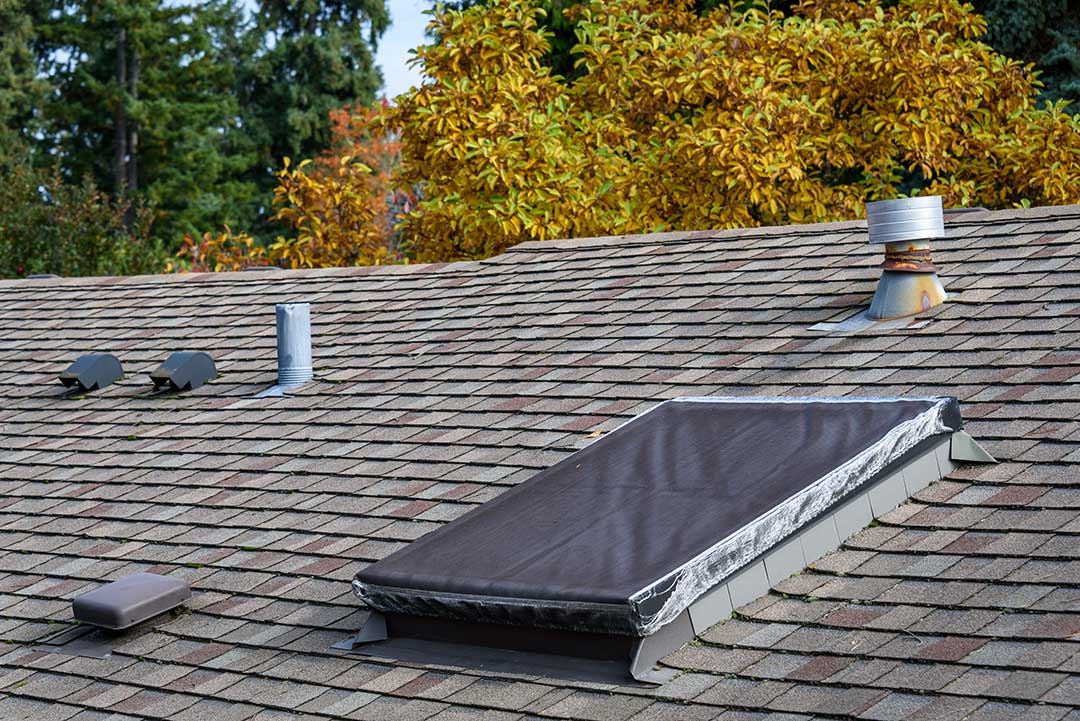
- Regularly inspect roofs and gutters for signs of debris, moss, or branch contact—especially after storms or high winds.
- Trim tree branches so none are hanging directly over the roof or within a few feet of the roofline, observing local tree management guidelines if applicable.
- Keep gutters and downspouts clear of leaves, twigs, and seed pods, especially before winter.
- Watch for signs of moisture issues, like moss on shingles or persistent wet spots, which could signal poor airflow or trapped debris.
If branches are large, under tension, or close to power lines, local regulations often require consulting a qualified arborist for safe removal.
What Common Misconceptions Do Homeowners Have About Tree Limbs?
Many believe that only large branches pose a threat, overlooking the slow damage from smaller limbs that touch or brush against the roof. Others assume that trees far from the house can’t impact the roof, not realizing wind-blown debris and seed pods often travel further than expected.
It’s also a misconception that only storms cause trouble; steady, year-round abrasion or blockage from organic material is a common cause of gradual deterioration.
When Does Tree Limb Damage Require Professional Attention?
While most homeowners can handle routine gutter clearing and minor debris removal, situations involving large, high, or partially broken limbs are hazardous. If there’s visible roof damage—such as holes, missing shingles, or evidence of water leakage—receiving a prompt assessment and proper repairs is necessary to prevent further problems.
Severe cases, such as structural roof damage or persistent moisture intrusion, may require coordination with a roofing or tree specialist who understands Binghamton building codes and safety standards.
